
- Perfect for: flower enthusiasts, gardeners, floral designers, nature lovers, and curious readers who enjoy beautifully illustrated non-fiction
- Strengths: engaging storytelling, rich visuals, approachable length, and a nice balance between history, culture, and beauty
- Kid-friendliness: best for older children and teens, or as a read-together, browse-together book
Who Would Like this Book?
Flower lovers and home gardeners.
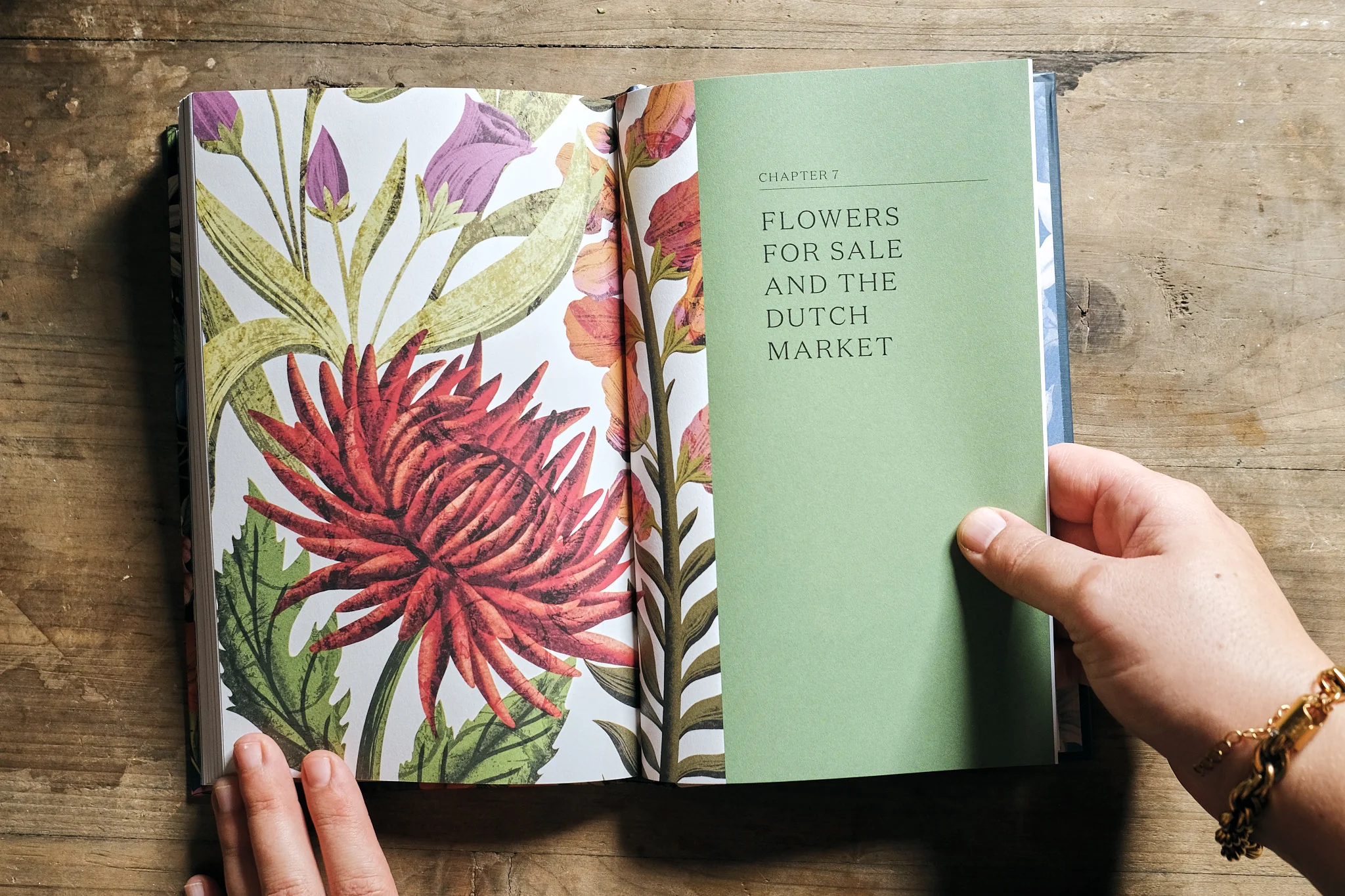
If you already love growing or arranging flowers, this book deepens that connection by revealing the stories behind the blooms you handle every day. The sisters discuss their origins, the meanings they hold in various cultures, and how they’ve evolved.
Fans of nature writing and “beautiful reference” books. It works wonderfully as a coffee-table–style book you can dip into: read about one flower over tea, then come back later for another. The tone is accessible and friendly rather than technical.
Anyone curious about botany, history, or folklore. It’s great for students and lifelong learners, but those who don’t want to wade through heavy academic writing.
Floral designers and creatives
will appreciate both the visual inspiration and the deeper stories that can be woven into arrangements, events, or classes. It’s especially useful if you like to share little bits of “flower trivia” with clients or workshop students.
How Long Is the Book?
It’s a medium-length, browsable volume, not a huge encyclopedia.
The text is broken into short sections focused on individual flowers or themes, so you can read it in small doses without losing the thread.
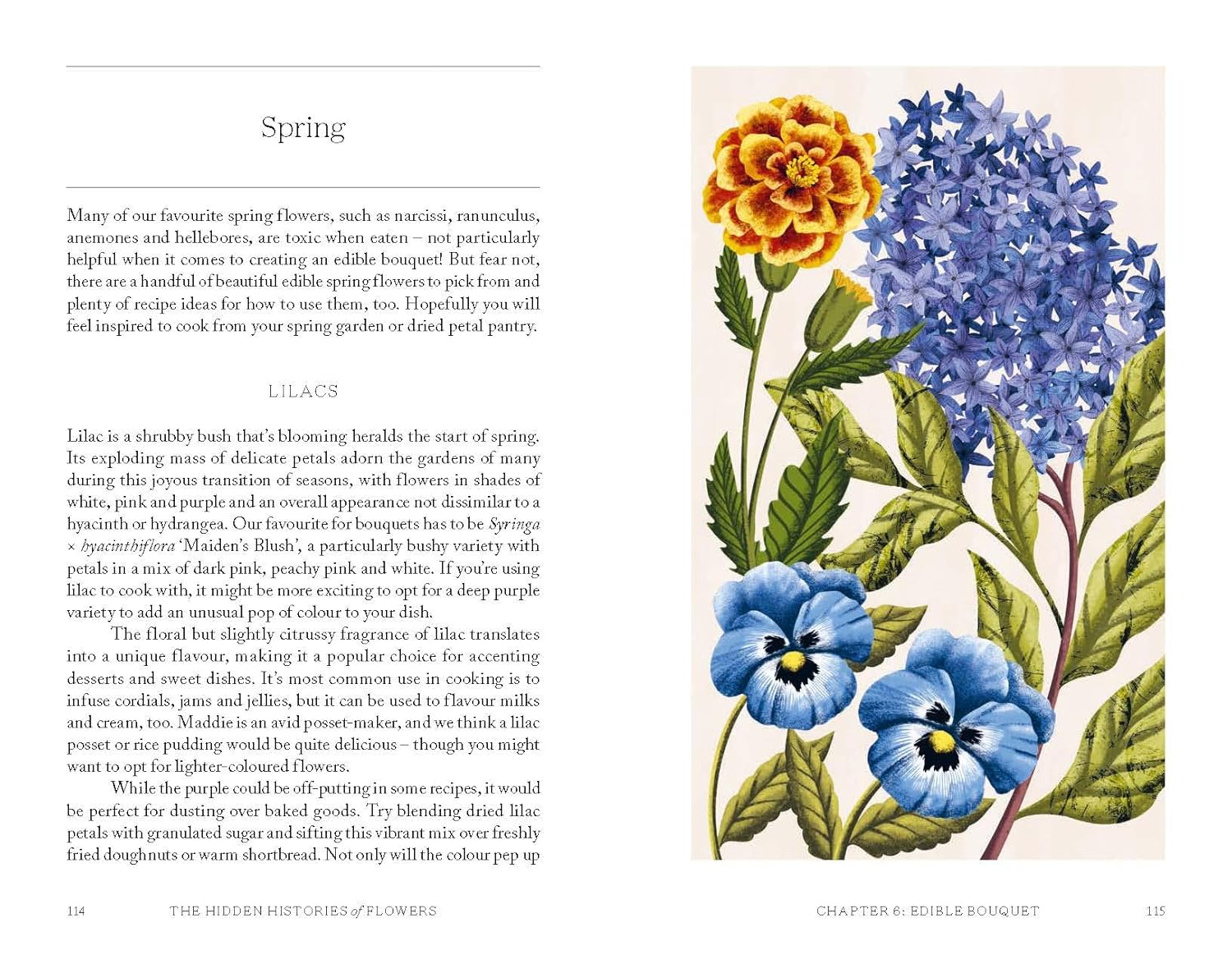
The layout favors generous images and clear spacing, making it feel lighter and more inviting than a text-heavy reference book.
It’s the kind of book you can comfortably read in a weekend, or treat as a companion to pick up whenever you want to learn about a particular flower.
Why It’s a Good Book
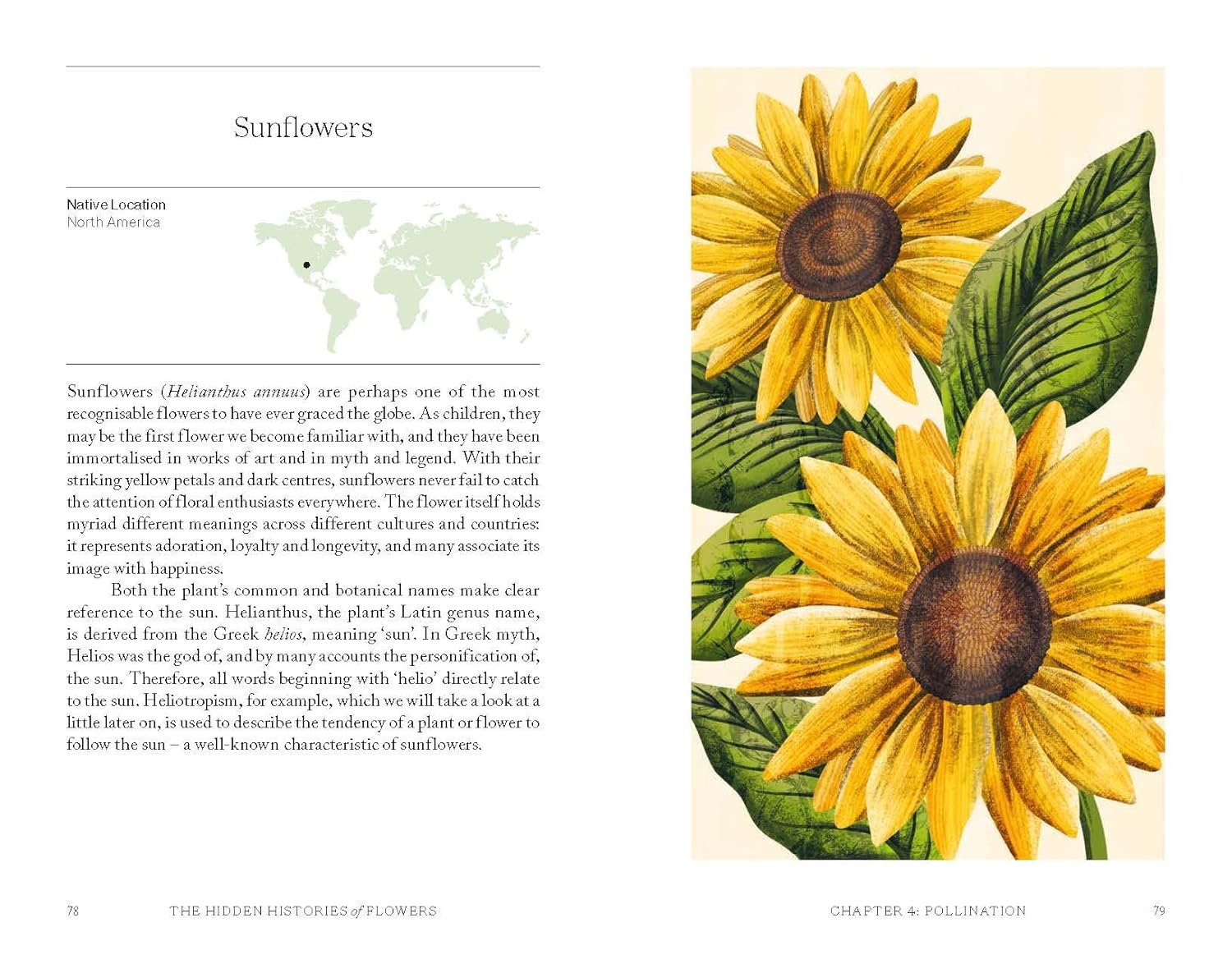
The Bailey sisters focus on the stories behind flowers—how people used them, what they symbolized, legends connected to them—so you’re constantly stumbling on delightful surprises rather than lists of facts. They cover historical background and cultural meanings, and folklore with occasional touches on how certain flowers are grown or used today. However, the caveat to this book is that it is not comprehensive. They only chose their favorite flowers to feature in the book. These include flowers like bluebells, foxgloves, daisies, elderflowers, calla lilies, morning glory, passion flowers, sunflowers and more!
The writing is clear and approachable. You don’t need a background in botany to understand and enjoy it. It’s great as a gift because of its mix of visuals and storytelling.
Where to Buy
The Hidden Histories of Flowers
You might also like their book about House Plants: The Hidden Histories of Houseplants: Fascinating Stories of Our Most-Loved Houseplants
As Amazon Associates, we receive commissions from products purchased via links in our blog and newsletter articles. See our florist tool recommendations and floral book recommendations on our creator page.